2026-10-23 ·
Winter Condensation Issues Linked to Spray Foam in Greater London Homes
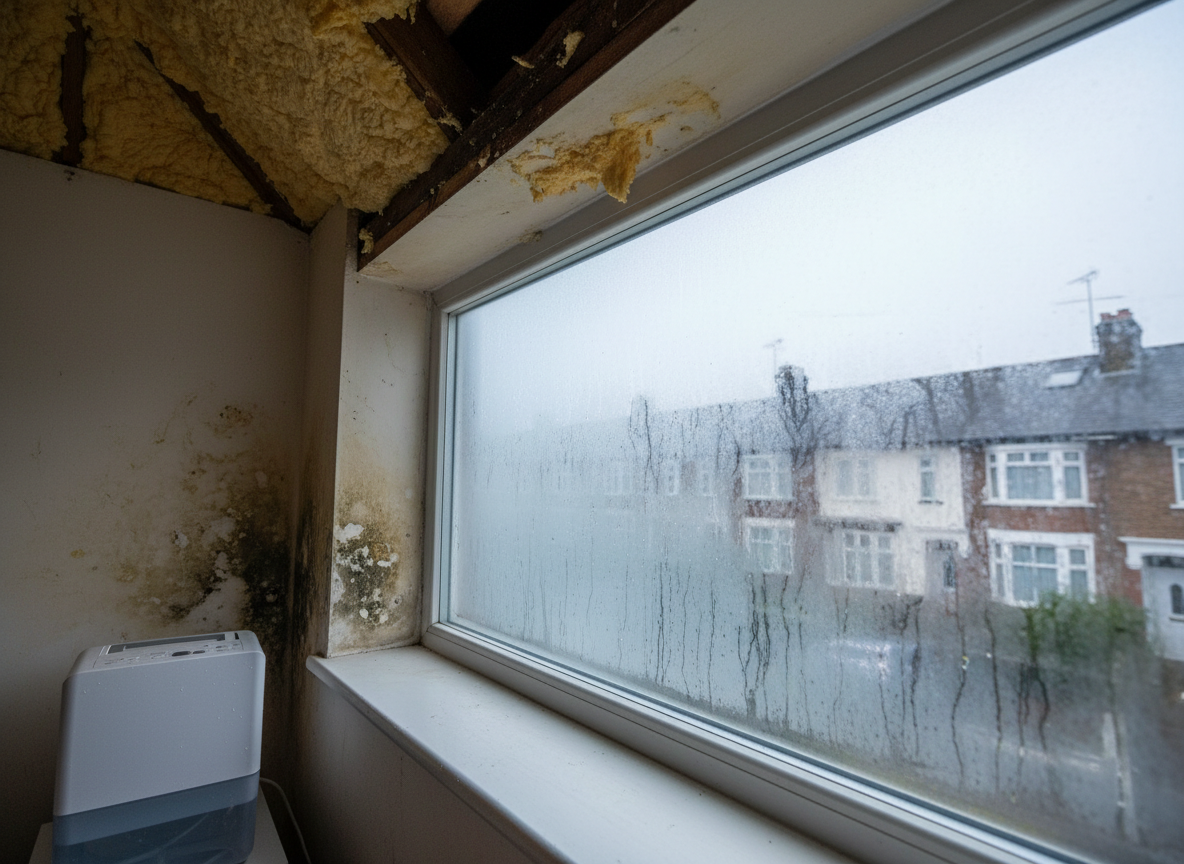
Spray foam insulation traps moisture in Greater London homes during winter, leading to condensation on ceilings and walls when indoor humidity meets cold surfaces in unventilated spaces. In properties built before 1919 across Kensington and Chelsea, the closed-cell types prevent the breathability that brick and lime plaster require, so water vapour builds up instead of escaping through the fabric. This effect shows up most clearly once outdoor temperatures fall below 5°C and heating systems run for longer periods each day.
How Spray Foam Alters Moisture Movement in London Housing Stock
Victorian terraces in Notting Hill and Earl's Court were constructed with solid walls that rely on evaporation to manage damp. When closed-cell spray foam is applied to lofts or roof voids, it creates an impermeable layer that stops this process. Warm air from living spaces rises and meets the cold roof deck, condensing on the underside of the foam or on rafters. Over repeated cycles through December to February, this moisture soaks into timber and plaster, raising the risk of mould growth and timber decay. Open-cell foam can still cause similar issues if it is applied too thickly or over existing insulation without proper vapour control.
Recognising Condensation Patterns in West London Properties
Homeowners in South Kensington and Hammersmith often notice black mould along ceiling joists and water stains on bedroom ceilings after the first cold snap. These marks appear where warm, moist air from bathrooms and kitchens is pushed upward but cannot escape. In Edwardian semis common to the area, the problem spreads faster because party walls and chimney stacks retain heat differently than modern cavities. Checking for raised humidity levels above 60% in the loft space during January provides a clear indicator that the foam is restricting airflow rather than improving the thermal envelope.
Practical Assessment Steps Before Removal
An insulation assessment identifies whether the foam is the primary cause or if other factors such as blocked eaves vents are contributing. Surveyors examine the roof structure for rot, measure moisture content in rafters, and check for signs of previous water ingress. In Chelsea properties, this step often reveals that the foam has bridged original ventilation gaps at the eaves. Removing sections for inspection shows whether the insulation is adhering directly to felt or whether a gap remains that could have allowed some drying. Building regulation checks become relevant when the work affects listed buildings or conservation areas common in these boroughs.
Next Steps for Affected Greater London Homes
Once condensation is confirmed as linked to the spray foam, targeted removal restores the ability of the building fabric to manage moisture. Readers can review what affects spray foam removal costs across London boroughs to understand variables such as access in narrow mews properties and the volume of material involved. Following removal, many owners also consult building regulation checks before spray foam removal in London to ensure any replacement insulation meets current standards for the property type. Addressing the issue promptly prevents further damage to roof timbers during the remaining winter months.